The Quiet Ear: Five Brecon Sounds That Outlast the Photographs
There is a moment on any good weekend away when the camera goes back in the bag. The light has been caught, the ridge has been recorded, the plate of cake has been documented for posterity. What remains is often the part nobody planned for: the sound of the place carrying on around you.
In Brecon, that sound is not a single thing. It is a loose choir of small, ordinary noises — some made by weather, some by people, some by the town going about its business. You do not need a walking route or a timetable to hear them. You only need to leave the window open a crack and resist the urge to fill the quiet.
Listening is its own kind of slow travel. It asks you to stop moving, to let one sound finish before reaching for the next, and to accept that the best bits are not repeatable on demand. Here are five worth lingering for.
Start with the window, not the map
A lot of travel writing begins with a plan. This one begins with a sash window, a cup of tea and no particular intention of going anywhere for twenty minutes. If you are staying in a guesthouse or holiday let around Brecon, try this before breakfast: open the window, sit down, and do nothing. Not scroll, not check the weather, not decide between boots and trainers. Just listen.
The first sounds are usually unremarkable — a car changing gear, a gate, a dog answering another dog. Then the town settles into its own rhythm. That rhythm is what you remember later, long after the photographs have blurred into one another.
Bells that arrive before the day does
Brecon Cathedral has a way of announcing itself without shouting. The bells do not need your attention, which is precisely why they are worth giving it to. They ring across roofs and gardens, arriving in layers depending on where you stand. Near the cathedral close they are bright and close; a few streets away they become softer, almost part of the air.
You do not need to know the pattern or the occasion. If you hear them, pause. Let the ringing finish before you start walking again. In a week that is usually measured in notifications and timetables, there is something quietly civil about waiting for a sound to complete itself.
The river has a rhythm of its own
The River Usk is never silent, but it is not loud either. It changes with the season and the rain: a low, steady push after wet weather; a lighter chatter over stones when the water is low. Stand on the path beside it, somewhere away from traffic, and listen for the difference between water moving over rock and water moving over gravel. Most of us never notice it. Once you do, it is hard to unhear.
This is not a plea to turn a riverside stroll into a science lesson. It is simply a reminder that the Usk has been making this noise for a very long time, and it will carry on making it after you have gone home. There is comfort in that.
Boots on wet gravel — the sound of a decision
Wet gravel under boots is one of the great underrated travel sounds. It is not pretty, exactly. It is a crunch and a squelch and a small, satisfying grip. It says you have decided to go out anyway, weather be damned, and that the day will be better for it.
You will hear it on towpaths, forest tracks and the edges of town where the pavement gives way to something softer. Try this: walk for a hundred paces without talking, and listen to your own footsteps. Then stop. The silence after the gravel is almost as good as the noise itself.
Market chatter, heard from the edge
Brecon market is a place of useful noise: stallholders calling, customers haggling gently, bags rustling, someone laughing at something you will never catch up with. It is tempting to join in immediately, and you should. But first, stand at the edge with a coffee and listen.
You will hear Welsh and English folded together, accents from the town and from the farms beyond it, the specific clatter of a market that is doing real business rather than performing for visitors. It is not a soundtrack you can download. It is the sound of a place being itself, and it is worth more than any souvenir.
Rain on a slate roof is the best excuse to stay in
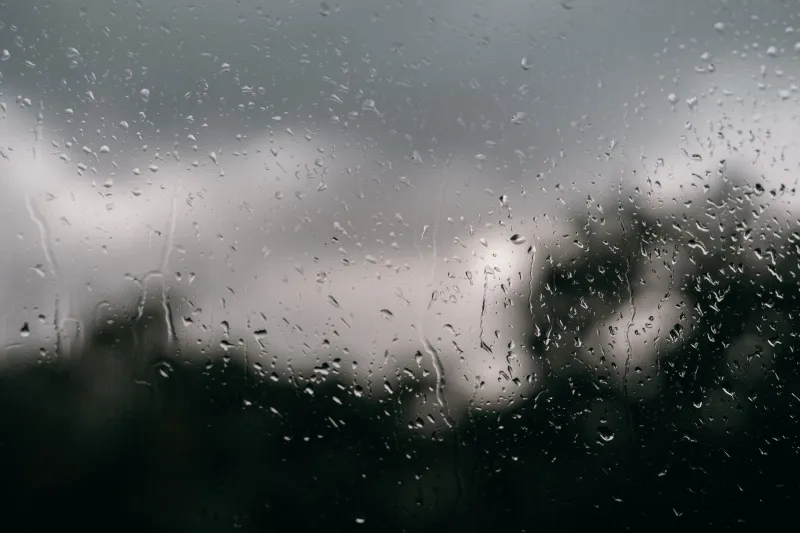
If you are lucky enough to be staying under a slate roof when the weather turns, count it as a gift. Rain on slate is different from rain on glass or canvas. It is softer, more distributed, like applause in another room. It makes staying put feel like a choice rather than a failure.
Open the window a little. Listen to the rain arrive, settle, and then change pace. There is no need to record it. The point is not to capture the sound but to let it slow you down. A good guesthouse roof, a warm room and a wet afternoon are a perfectly respectable Brecon itinerary.
Take the sounds home
You cannot pack church bells in a suitcase. You cannot fold river water into a jacket pocket. But you can carry the habit of listening back with you — on the train, in the car, on the first ordinary morning after a break.
Brecon does not insist on being heard. That is part of its charm. The bells ring, the river runs, the gravel crunches and the rain lands on slate, whether anyone is paying attention or not. Leave the window open for a few minutes longer than feels necessary. The quiet ear is its own kind of holiday.