The Lamplight Exit: A Brecon Night Walk That Asks Very Little of You
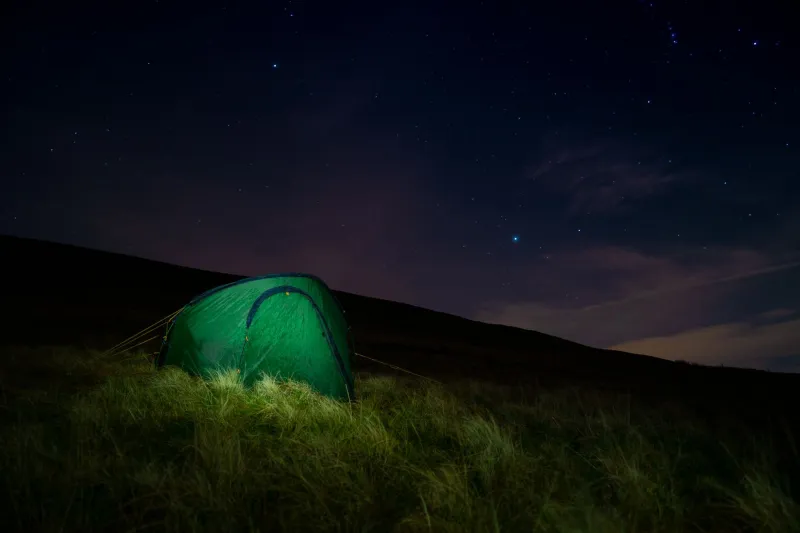
Most evenings in Brecon end the same way. Plates are cleared, the kettle goes on, and someone says something hopeful about an early night. The idea of pulling boots back on for a night walk can sound like a hobby for other people — people with head torches, laminated star charts and a firm opinion about merino. But the national park’s dark-sky reserve status is not a prize for organised people. It is simply there, above the canal, above the car park, above the last of the washing-up.
So this is not a campaign for midnight summits or a lecture on light pollution. It is a small invitation: one short walk after dinner, with an easy exit and a warm return. Think of it as the lamplight exit — a gentle step over the threshold before the evening closes.
Start With the Front Door
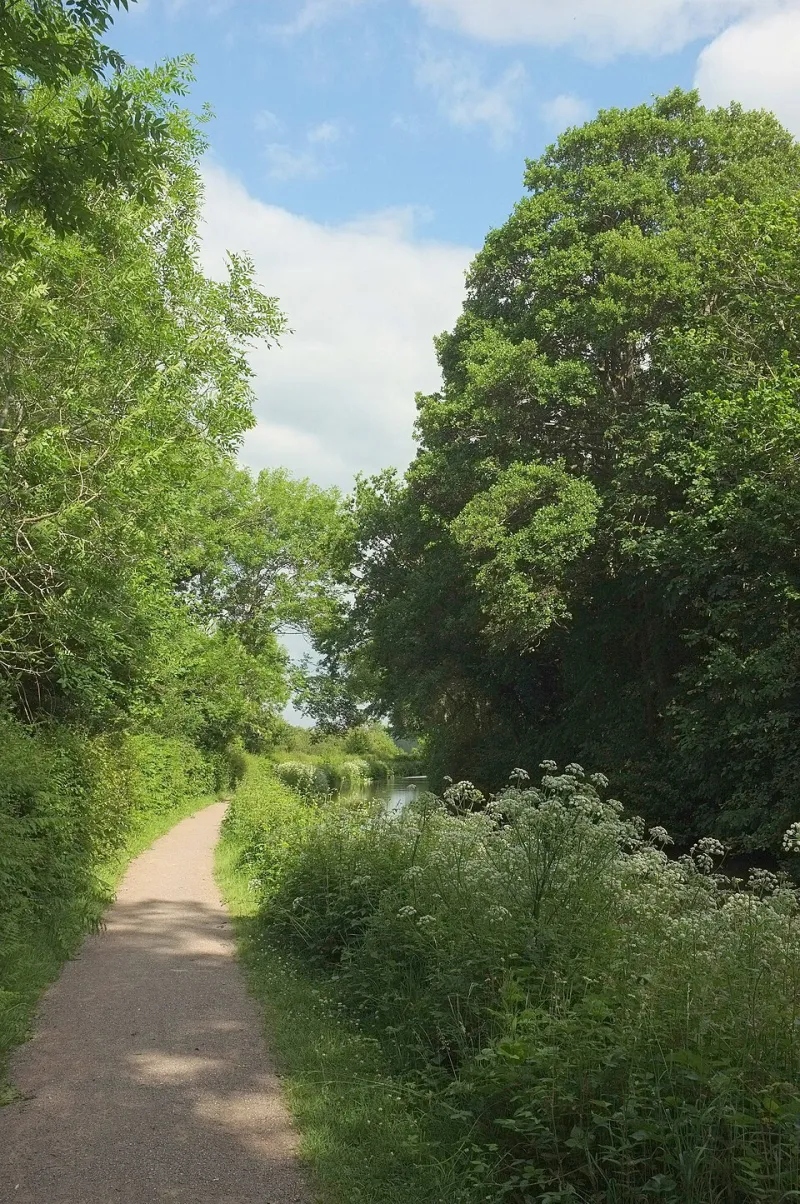
The best night walk is the one you actually take. From Danyfan Brecon, the simplest option is the canal towpath. Head west along the Monmouthshire and Brecon Canal towards Brynich, where the path is flat, familiar and forgiving. You do not need to reach a viewpoint or tick off a constellation. Walk for ten minutes, stop somewhere sensible, turn off your torch and look up.
If the clouds are down, turn round. If the sky is clear, stay a little longer. That is the whole plan. The towpath gives you a safe line to follow and enough darkness between the town’s glow and the hedgerows to feel a change in the air. It is not the darkest spot in the national park, but it is a decent first step, and first steps matter more than perfect conditions.
Guests who want something a little darker can drive for ten minutes or so towards Llangorse Lake and walk a short stretch of lane or lakeside path, but only if they are confident with the route and have a torch. No need to make a expedition of it. The point is not to go far. The point is to go out.
A Route That Doesn’t Ask Much
A good after-dinner night walk should have three qualities: a clear path, a known turning point and no pressure to perform. The canal gives you all three. You can walk to the first bridge and back, or carry on to Brynich and return the same way. There is no shame in a there-and-back route. It is not a failure of imagination; it is good sense in the dark.
Take a torch, even if the moon is bright. A small red-light torch is kinder to your night vision and to anyone else who might be out. Keep it low and pointed at the path, not at the sky. If you are walking with someone else, let the conversation go quiet now and then. The night does not need filling.
What to Wear, and What to Leave Behind
You do not need specialist kit. You need to be warmer than you think. Even a mild evening in the valley can turn sharp once the sun has gone, and standing still under a clear sky cools you quickly. Wear layers, a warm hat and gloves, and boots or sturdy shoes with a bit of grip. A waterproof shell is never wasted in Wales. Bring a flask if you like; there is something pleasing about a hot drink taken in the dark for no reason at all.
Leave behind the headphones and the urge to hurry. Bring your phone, but keep it in your pocket unless you need it. A phone screen will flatten your night vision in seconds. If you use a star app, switch it to red mode or turn the brightness right down. Better still, print a simple star map before you come or use a basic planisphere. There is a quiet satisfaction in finding a constellation without a screen telling you where to point.
Tell someone at the guesthouse that you are stepping out, especially if you are walking alone. Keep to the path. Avoid anywhere you would not feel comfortable in daylight. This is meant to be a small adventure, not a test of nerve.
Reading the Sky Without Becoming an Astronomer
You do not need to know the sky to enjoy it. Start with the obvious things. If you can find three bright stars in a row, you have found Orion’s Belt. In autumn and winter, Orion is a friendly guide — look south-east after dinner and you may see him rising, with the bright star Sirius lower down and the soft cluster of the Pleiades nearby.
Find the Plough and follow the two stars at the end of its bowl to Polaris, the North Star. It will not be the brightest star in the sky, whatever the songs say, but it is a useful anchor. From there, let your eyes adjust for ten or fifteen minutes. The longer you look, the more appears. That is not magic; it is just your eyes doing what they are built to do when we stop asking them to read screens.
A simple star map — the kind you can hold in one hand — will show you the main shapes for the season. You can also ask at the guesthouse; there is usually someone who knows where the spare planisphere has ended up. The pleasure is in the looking, not the naming. If you see something you cannot identify, leave it unidentified. The sky is not an exam.
The Walk Back Is the Point
The return leg is not an afterthought. It is the bit that makes the outing feel like a treat rather than a test. The path back is familiar now. The torch picks out the edge of the canal, the hedge, the gate. The air smells of wet leaves and cold water. You are not far from a kettle.
Back at Danyfan Brecon, the boot room does its quiet work: wet coats on hooks, muddy boots on the tray, hands warming around a mug. The night walk has done what a good slow evening should do — it has stretched the day out a little, without asking too much of you. You can be in bed by ten and still feel as though you have been somewhere.
That is the trick of the dark-sky reserve. It is not only for the people who drive out with telescopes and flasks of soup. It is for anyone willing to step outside after the last kettle has boiled, look up for a minute, and then come back in.