Grass Banks and Old Stones: Reading the Hill Forts Above Brecon
Photo: Лапоть, CC0, via Wikimedia Commons
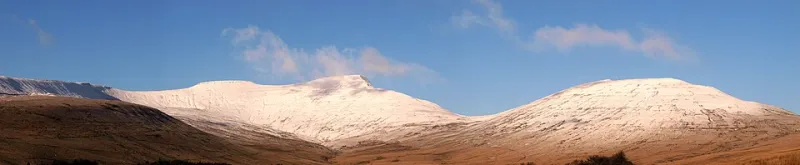
The big summits get the crowds. The hill forts get the grass. That is not a complaint; it is an invitation. Around Brecon, the Iron Age past is written into the landscape in low banks, worn ditches and flattened platforms where roundhouses once stood. You do not need a car to enjoy some of it, and you certainly do not need to bag a peak to feel the pull of the place. You just need to slow down and read the ridge.
What you are actually looking at
A hill fort is not a castle. Most of these sites were built and occupied in the Iron Age, roughly between 800 BC and the Roman arrival in Britain, though some were reused later. What survives is usually earthwork: a bank, a ditch, a defended entrance, sometimes a second or third ring of ramparts. On the ground they can look like little more than hummocky grass. Look closer and the shape starts to speak — the worn gap where people walked in, the scooped hollows of roundhouses, the way the bank follows the natural shoulder of the hill.
Place names are a useful clue. Caer, gaer and dinas all point to a fort or defended place. The Brecon Beacons are full of them, and many are scheduled ancient monuments. That means they are protected, not playgrounds. Keep to paths where they exist, do not climb or cut the banks, and leave every stone where it lies. Metal detecting and digging are out of the question. Take photographs, take notes, take a thermos — but leave the site as you found it.
Walk one: Pen y Crug from Brecon town
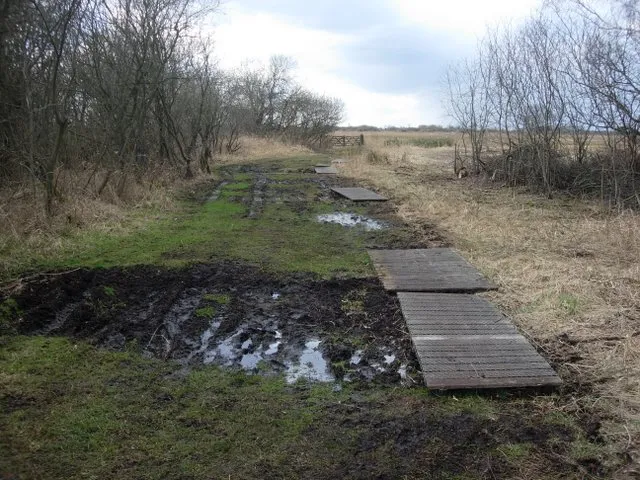
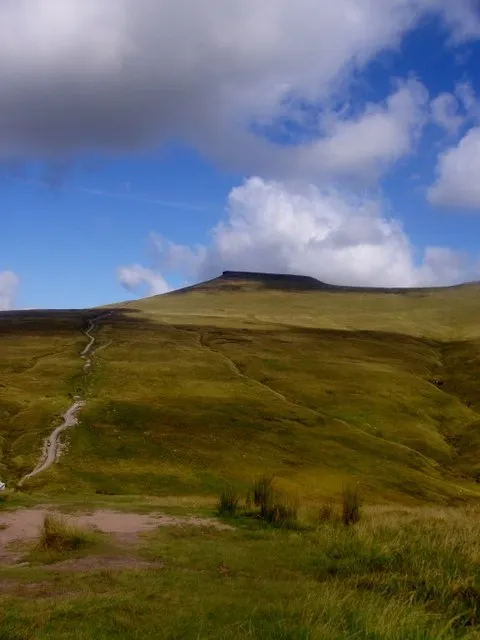
Pen y Crug is the easy introduction: a short climb from the edge of Brecon to a hill fort with a trig point and a very large view. Allow an hour and a half to two hours for a circular walk of around two to three miles, depending on where you start. The path is steep in places and muddy after rain, but it is short enough for a winter afternoon.
At the top, resist the urge to head straight for the trig point. Walk the rampart instead. You will see the bank curving around the summit, with a ditch outside it and an entrance gap that still looks like a way in. Stand there and think about who chose this spot, and why. From the fort you can see the Usk valley, the town below and the higher hills beyond. It is a landscape of lookouts and routes, and the hill fort is a reminder that people have been reading this view for a very long time.
Walk two: Crug Hywel above Crickhowell
For a fuller day, head to Crickhowell and climb Crug Hywel, also known as Table Mountain. The round trip is roughly three to four miles with a steady pull up, and the summit is a flat-topped hill ringed by ramparts. It is a proper hill fort with a proper view, but it is not a big-day mountain epic. Take the map, take your time, and pick a clear day if you can.
The name Crug Hywel is often linked to Hywel Dda, the tenth-century Welsh ruler, but the fort itself is far older. On the summit, look for the line of the bank and the way the natural cliff edge does some of the defensive work for you. The best hill forts are not just walls; they are conversations between people and terrain. This one is a very good conversation.
A third morning, if you have one
If you have a spare morning, follow the canal out of Brecon and look back at the ridge. You do not have to climb every fort to understand the pattern. The low ground, the river crossings and the high ground all make sense together. A short towpath walk, a map and a flask is a fine way to let the archaeology settle.
The pub at the bottom
Finish where the weekend began: warm, low-ceilinged and unhurried. In Crickhowell, a fireside table and a bowl of something hot is the reward for the climb. In Brecon, the same rule applies. This is not the moment for a tasting menu; it is the moment for muddy boots, a pint and a chat about ramparts.
The pleasure of a hill-fort weekend is that it asks less of your legs and more of your eyes. You are not ticking off summits. You are learning to see the older shape of the hills — and that is a slower, quieter kind of summit altogether.